Classic Pickled Eggs
Introduction
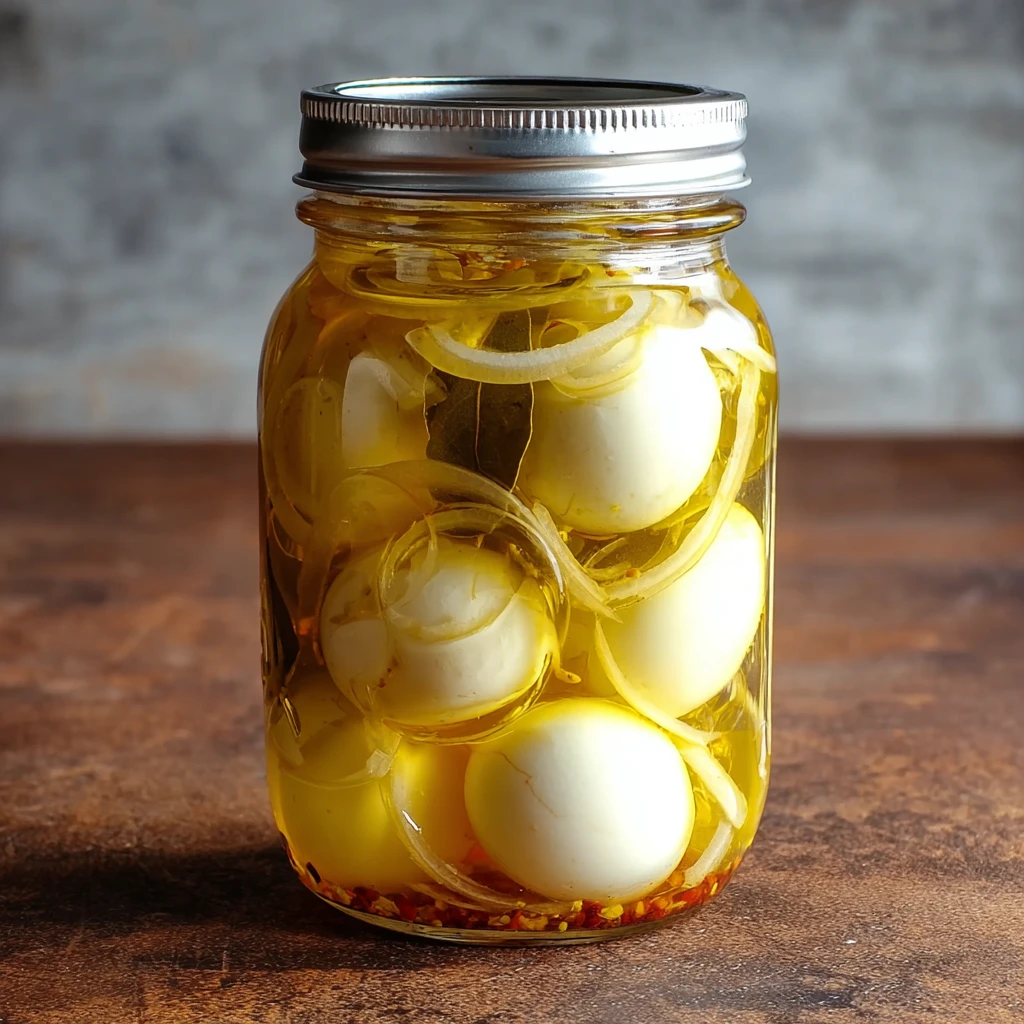
Imagine the nostalgia of walking into a quaint diner and catching a whiff of the classic pickled eggs jar on the counter. These vibrant, tangy delights have been a beloved staple in many homes and establishments for years, offering a unique blend of flavors that captivate the taste buds. In this article, we will delve into the art of preparing these timeless treats and explore the history and cultural significance that make them a must-try for any food enthusiast.
Classic pickled eggs are more than just a snack; they represent tradition and comfort, with each bite carrying a story of generations past. Whether enjoyed on their own or paired with other dishes, their versatility and distinctive taste make them a standout favorite.
Join us on a culinary journey as we uncover the secrets behind creating the perfect batch of pickled eggs that will have your friends and family coming back for more.
Get ready to embark on a flavorful adventure that will elevate your cooking skills and delight your senses with every bite.
Why You’ll Love This Recipe
These classic pickled eggs offer a harmonious blend of flavors that are both nostalgic and refreshing. The tangy vinegar infusion complements the creamy yolk, creating a symphony of tastes that will leave you craving more.
Not only are pickled eggs a delicious treat, but they also boast nutritional benefits, being rich in protein and essential vitamins. This recipe provides a wholesome snack or appetizer option that is both satisfying and good for you.
With their easy preparation and long shelf life, pickled eggs are a convenient choice for busy individuals looking to add a touch of homemade goodness to their meals. Their simplicity and versatility make them a go-to option for any occasion.
Experience the joy of crafting your own batch of pickled eggs and indulge in a culinary experience that is both rewarding and delectable.
Ingredients
For this classic pickled eggs recipe, you will need the following ingredients:
– Fresh eggs
– White vinegar
– Water
– Sugar
– Salt
– Pickling spices (such as mustard seeds, peppercorns, and bay leaves)
Optional Ingredient Substitutions:
– Apple cider vinegar can be used as a substitute for white vinegar for a slightly different flavor profile.
– Adjust the sugar and salt quantities based on your preference for sweetness and saltiness.
– Feel free to customize the pickling spices with your favorite herbs and seasonings for a personalized touch.
Step-by-Step Instructions
1. Start by boiling the fresh eggs until they are hard-boiled. Once cooked, carefully peel the eggs and set them aside.
2. In a saucepan, combine white vinegar, water, sugar, salt, and your desired pickling spices. Bring the mixture to a boil, then reduce the heat and let it simmer for a few minutes.
3. Place the peeled eggs in a sterilized jar or container, ensuring they are packed snugly but not overcrowded.
4. Carefully pour the hot pickling liquid over the eggs, making sure they are completely submerged. Seal the jar tightly with a lid.
5. Allow the pickled eggs to cool to room temperature before transferring them to the refrigerator. Let them pickle for at least a few days to enhance the flavors before serving.
6. Once ready, your classic pickled eggs are now prepared to be enjoyed as a tasty snack or a flavorful addition to your favorite dishes.
Expert Tips for Success
For the best results when making pickled eggs, consider the following tips:
– Use fresh eggs for optimal flavor and texture.
– Adjust the pickling spices to suit your taste preferences, experimenting with different combinations for unique flavors.
– Ensure the eggs are completely submerged in the pickling liquid to achieve even flavor distribution.
– Allow the pickled eggs to mature in the refrigerator for a few days to intensify the taste.
Variations and Substitutions
Explore creative ways to customize your pickled eggs:
– Add a dash of hot sauce or chili flakes for a spicy kick.
– Experiment with different vinegar types, such as balsamic or rice vinegar, for a twist on the traditional recipe.
– Incorporate fresh herbs like dill or cilantro to infuse additional flavors into the pickling liquid.
– Substitute sugar with honey or maple syrup for a natural sweetener alternative.
Serving Suggestions
To enjoy your pickled eggs to the fullest, consider these serving suggestions:
– Serve the pickled eggs as a standalone snack or appetizer, garnished with a sprinkle of paprika or fresh herbs.
– Pair the eggs with a crisp salad or charcuterie board for a delightful contrast of textures and flavors.
– Accompany the pickled eggs with crusty bread, crackers, or pickled vegetables for a well-rounded tasting experience.
– Enjoy the eggs alongside your favorite beverages, such as beer or a refreshing cocktail, to elevate your dining experience.
FAQs
Q: How long can pickled eggs be stored?
A: Pickled eggs can typically be stored in the refrigerator for up to 1 month if properly sealed and kept chilled.
Q: Can I reuse the pickling liquid for another batch of eggs?
A: Yes, you can reuse the pickling liquid for subsequent batches of pickled eggs. Simply ensure the liquid is strained and stored properly between uses.
Q: Are pickled eggs safe to eat?
A: When prepared and stored correctly, pickled eggs are safe to consume. Always follow proper food safety guidelines to prevent contamination.
Q: Can I adjust the level of acidity in the pickling liquid?
A: Yes, you can adjust the acidity level by varying the vinegar-to-water ratio in the pickling liquid to suit your taste preferences.
Final Thoughts
Embark on a culinary adventure with classic pickled eggs that will tantalize your taste buds and evoke a sense of nostalgia with every bite. Whether you’re a seasoned chef or a novice cook, this timeless recipe offers a delightful experience that is both satisfying and memorable.
Indulge in the simple pleasure of creating homemade pickled eggs that bring a touch of tradition to your table. Share this beloved snack with loved ones and savor the joy of good food and great company. We hope this recipe inspires you to explore the art of pickling and enjoy the fruits of your labor with each delicious bite.
Classic Pickled Eggs
Experience the nostalgia and unique blend of flavors with these classic pickled eggs. Tangy and versatile, these homemade delights are a must-try for any food enthusiast.
Ingredients
- 6 fresh eggs
- 1 cup white vinegar
- 1 cup water
- 2 tablespoons sugar
- 1 teaspoon salt
- Pickling spices (such as mustard seeds, peppercorns, and bay leaves)
Directions
-
Start by boiling the fresh eggs until they are hard-boiled. Once cooked, carefully peel the eggs and set them aside.
-
In a saucepan, combine white vinegar, water, sugar, salt, and your desired pickling spices. Bring the mixture to a boil, then reduce the heat and let it simmer for a few minutes.
-
Place the peeled eggs in a sterilized jar or container, ensuring they are packed snugly but not overcrowded.
-
Carefully pour the hot pickling liquid over the eggs, making sure they are completely submerged. Seal the jar tightly with a lid.
-
Allow the pickled eggs to cool to room temperature before transferring them to the refrigerator. Let them pickle for at least a few days to enhance the flavors before serving.
-
Once ready, your classic pickled eggs are now prepared to be enjoyed as a tasty snack or a flavorful addition to your favorite dishes.